Oceania

Tonga

Western Samoa
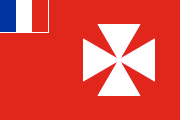
Wallis and Futuna 11 The flag of the kingdom of ʻUvea, used as an unofficial symbol for the entire territory.
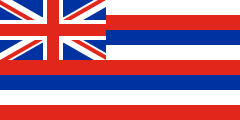
Hawaiʻi

Australia
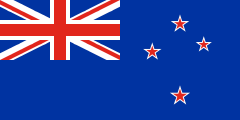
New Zealand
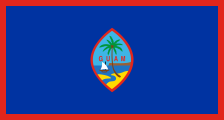
Guam

American Samoa

West Papua
North America

United States

Canada 22 Not legally the national flag, but allowed to be flown wherever a "distinctive Canadian flag" was needed.
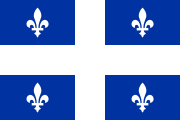
Québec
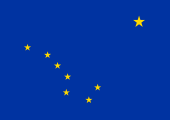
Alaska
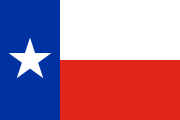
Texas
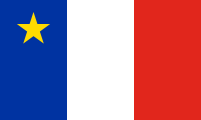
Acadia
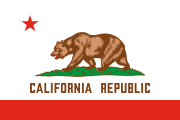
California
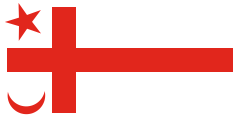
Mi’kmaq
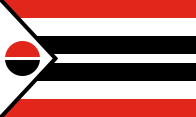
Arapaho
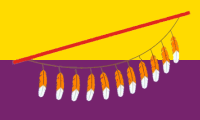
Papago
The Caribbean
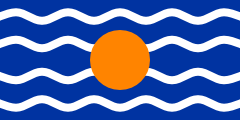
West Indies Federation
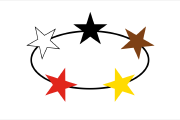
Suriname
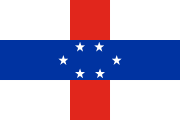
Netherlands Antilles
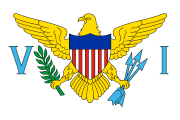
Virgin Islands (U.S.)
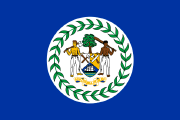
Belize
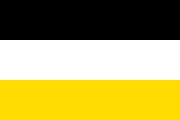
Garifuna
Latin America
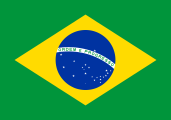
Brazil
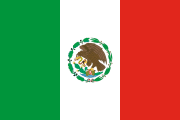
Mexico
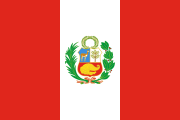
Peru
national ensign 33 Flown by the government, the navy, the national police, and national sports teams. Raised at major ceremonies. The army uses a similar flag with a different coat of arms.
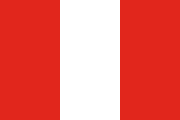
Peru
national flag 44 Allowed to be flown by anyone.
Guatemala
Argentina
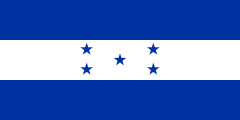
Honduras
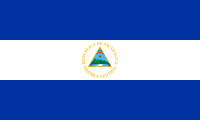
Nicaragua

El Salvador
national flag 55 The most common flag, flown over most government buildings, at ceremonies, by diplomatic missions and often by public citizens.
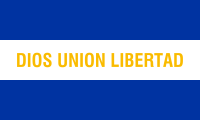
El Salvador
inscribed flag 66 An alternative government flag, most commonly flown by the armed forces but also on some public buildings and offices.
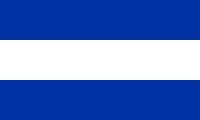
El Salvador
plain flag 77 The simplest version of the national flag, flown by some private citizens.
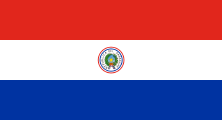
Paraguay
front side
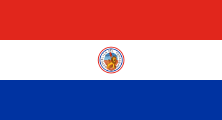
Paraguay
back side
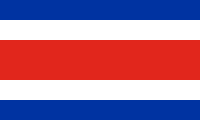
Costa Rica
national flag 88 The most common Costa Rican flag. Officially designated for private citizens, but in practice often used on government buildings and schools too.
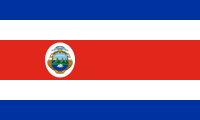
Costa Rica
national ensign 99 Flown by the government and by diplomatic missions, although also used sometimes by private citizens.
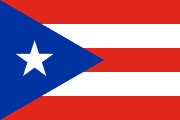
Puerto Rico

Cuba
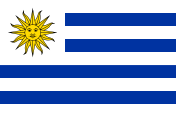
Uruguay
national flag 1010 Allowed to be flown by anyone.
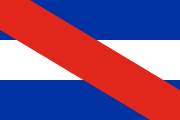
Uruguay
flag of Artigas 1111 A traditional military emblem, ceremonially flown alongside the national flag at government buildings.

Uruguay
flag of the Treinta y Tres 1212 A historic flag, ceremonially flown alongside the national flag at government buildings.
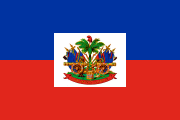
Haiti
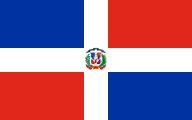
Dominican Republic
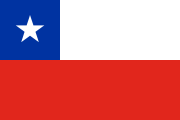
Chile
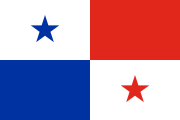
Panama

Venezuela
national ensign 1313 Flown by the government and armed forces, and unofficially used by many private citizens.
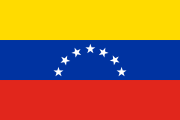
Venezuela
national flag 1414 Allowed to be flown by anyone.
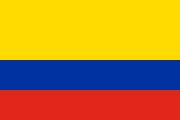
Colombia
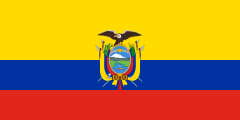
Ecuador
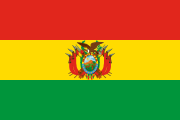
Bolivia
state flag 1515 Flown by the governmnent. The armed forces flew a similar flag with olive and laurel branches around the coat of arms.
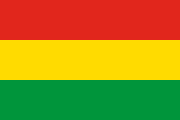
Bolivia
national flag 1616 Allowed to be flown by anyone.
Middle East and North Africa
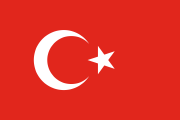
Turkey
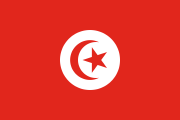
Tunisia
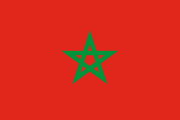
Morocco
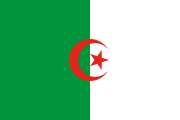
Algeria 1717 Flown by nationalists and the government-in-exile. The French colony in Algeria did not have an official flag.
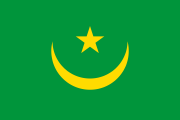
Mauritania
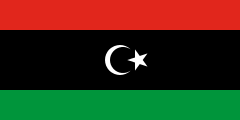
Libya
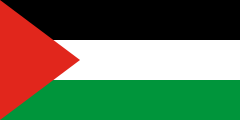
Palestine
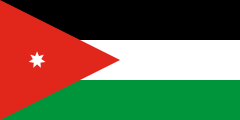
Jordan

Syria
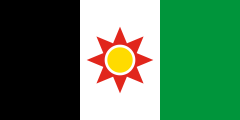
Iraq
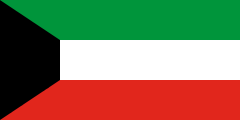
Kuwait
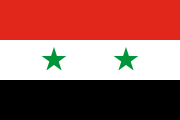
United Arab Republic (Egypt)
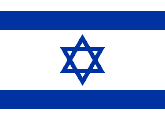
Israel
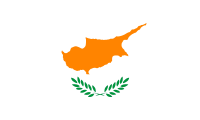
Cyprus
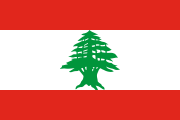
Lebanon
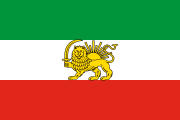
Iran
state flag 1818 Flown by the government, and often by private citizens. At sea, and in certain ceremonial settings on land, the ratio was 1:3.
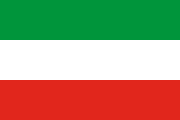
Iran
national flag 1919 Allowed to be flown by anyone. At sea, the ratio was 1:3.
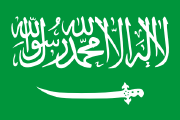
Saudi Arabia
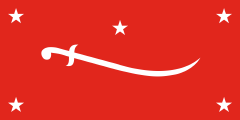
Yemen

Muscat and Oman

Fujairah

Ras al-Khaimah · Sharjah

Abu Dhabi
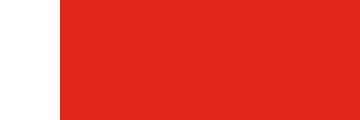
Dubai · Ajman

Umm al-Quwain
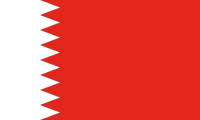
Bahrain
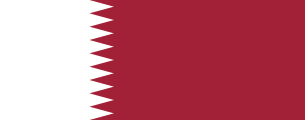
Qatar
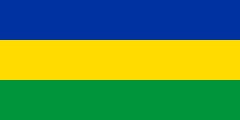
Sudan
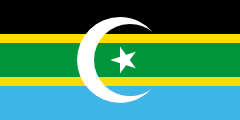
South Arabia
federal flag 2020 Flag of the Federation of South Arabia, the British protected state at the core of South Arabia.
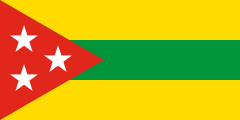
Kathiri State
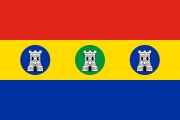
Qu'aiti State
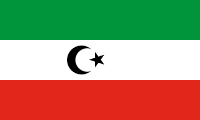
Mahra
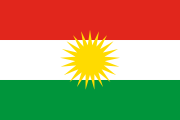
Kurdistan
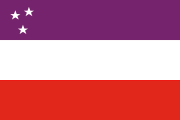
Assyrians
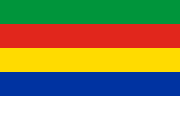
Druze
Sub-Saharan Africa

Ethiopia
royal flag 2121 Often (but not always) flown by the royal house and the government.

Ethiopia
national flag 2222 Flown by anyone.
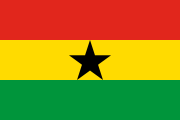
Ghana
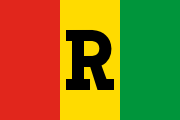
Rwanda
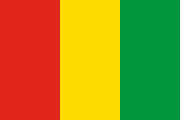
Guinea
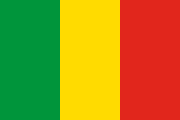
Mali

Senegal

Cameroon
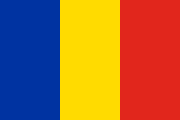
Chad
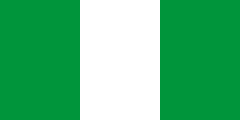
Nigeria
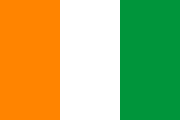
Ivory Coast
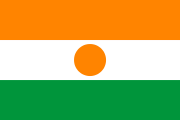
Niger
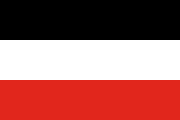
Upper Volta
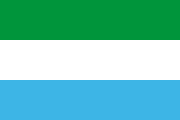
Sierra Leone

Gabon
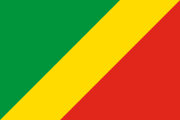
Congo-Brazzaville
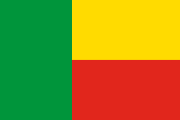
Dahomey
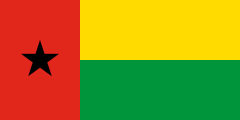
Guinea and Cape Verde
PAIGC flag 2323 Flag of the African Party for the Independence of Guinea and Cape Verde, which aimed for separation from Portugal. Eventually became the flag of Guinea-Bissau. Portuguese colonies did not have official flags.
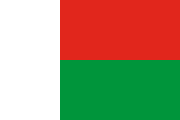
Malagasy Republic
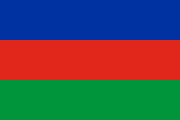
South-West Africa
SWAPO flag 2424 Flag of the South West Africa People's Organisation, which sought independence from South Africa. Direct predecessor of the flag of Namibia. The territorial government did not have an official flag.
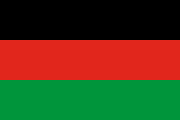
Malawi
MCP flag 2525 Flag of the Malawi Congress Party, which sought independence for British Nyasland. Direct predecessor of the modern flag of Malawi. The colony was part of the nominally self-governing Federation of Rhodesia and Nyasaland, which had a rarely-used British ensign with the federation coat of arms.

Kenya
KANU flag 2626 Flag of the Kenya African National Union, which sought independence from Great Britain. Direct predecessor of the modern flag of Kenya. The colony also had a rarely-used British ensign with a red lion badge.

African National Congress
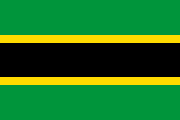
Tanganyika
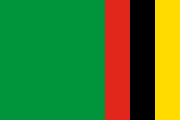
Zambia
UNIP flag 2727 Flag of the United National Independence Party, which sought independence for the British colony of Northern Rhodesia. Direct predecessor of the modern flag of Zambia. The colony was part of the nominally self-governing Federation of Rhodesia and Nyasaland, which had a rarely-used British ensign with the federation coat of arms.

Mozambique
UDENAMO flag 2828 Flag of the National Democratic Union of Mozambique, which aimed for independence from Portugal. Portuguese colonies did not have official flags.
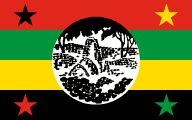
Zimbabwe
ZAPU flag 2929 Flag of the Zimbabwe African People's Union, which sought independence and majority rule for the British colony of Southern Rhodesia. The colony was part of the nominally self-governing Federation of Rhodesia and Nyasaland, which had a rarely-used British ensign with the federation coat of arms.
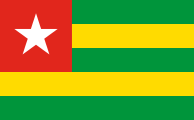
Togo
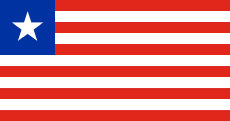
Liberia

Central African Republic
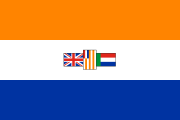
South Africa
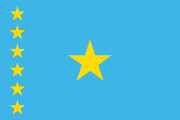
Congo-Léopoldville
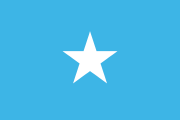
Somalia

Eritrea
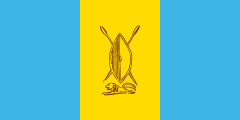
Buganda
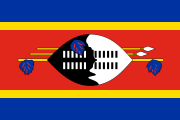
Swaziland

Zanzibar
Western Europe
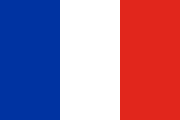
France
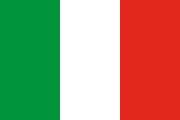
Italy
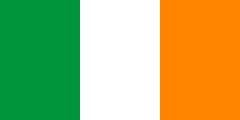
Ireland

Andorra
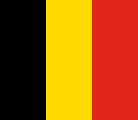
Belgium
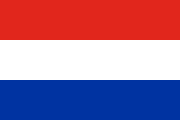
Netherlands
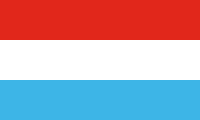
Luxembourg
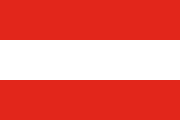
Austria
national flag 3030 Flown by private citizens and municipalities.
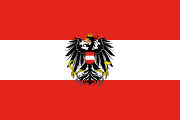
Austria
federal service flag 3131 Flown by the federal government and the armed forces.
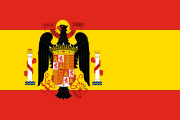
Spain
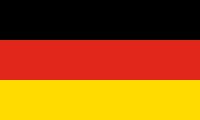
West Germany
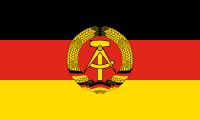
East Germany
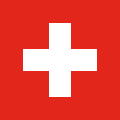
Switzerland
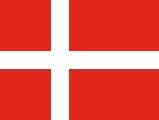
Denmark
national flag 3232 Allowed to be flown by anyone.
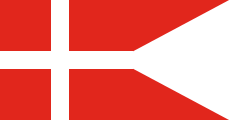
Denmark
sovereign flag 3333 Flown by the royal house, the government, and the armed forces. Also granted to a select list of private institutions and companies.
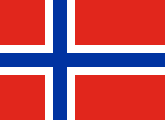
Norway
merchant flag 3434 Allowed to be flown by anyone.
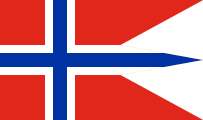
Norway
state flag 3535 Flown only on state-owned buildings and naval ships.
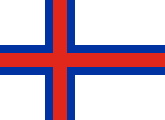
Faroe Islands
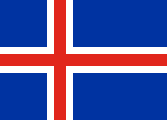
Iceland
national flag 3636 Allowed to be flown by anyone.
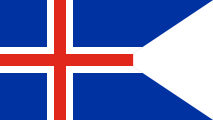
Iceland
state flag 3737 Flown on government buildings and coast guard ships.

Åland
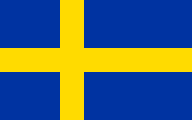
Sweden 3838 Flown for all purposes. A three-tailed version of the national flag is flown by the military.
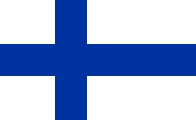
Finland
national flag 3939 Allowed to be flown by anyone.

Finland
state flag 4040 Flown by the government, border guard, and public universities. The armed forces fly a version with a swallowtail cut.
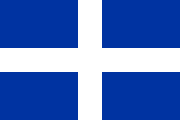
Greece
land flag 4141 Flown on land within Greece. The military flag had a crown in the centre of the cross.

Greece
sea flag 4242 Flown at sea and abroad. The naval ensign had a crown in the centre of the cross.
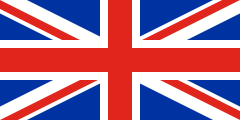
United Kingdom
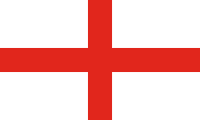
England · Guernsey
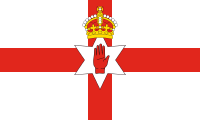
Northern Ireland 4343 Flown by the government, sporting teams and by some private citizens. More or less exclusively a unionist symbol.
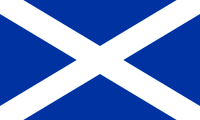
Scotland
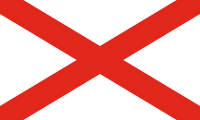
Jersey
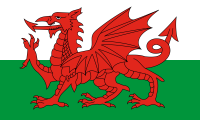
Wales
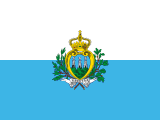
San Marino

Liechtenstein
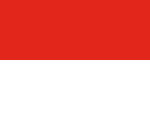
Monaco
national flag 4444 Allowed to be flown by anyone.
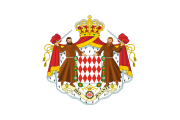
Monaco
princely flag 4545 Flown over the Prince's Palace and government buildings.

Vatican City

Malta
traditional flag 4646 Flown by civilian ships. Plain flags without the George Cross were also common. The colonial government had a blue ensign with the Maltese coat of arms on it.
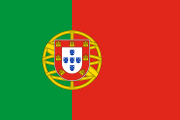
Portugal
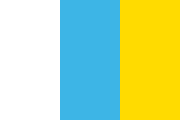
Canary Islands

Galicia
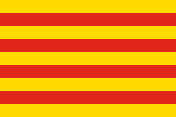
Catalonia
senyera 4747 The traditional Catalan flag.
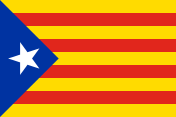
Catalonia
estelada 4848 The flag preferred by supporters of Catalan independence.

Brittany
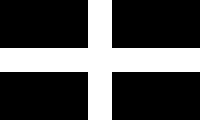
Cornwall
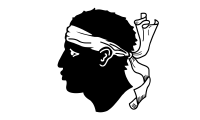
Corsica
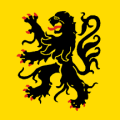
Flanders
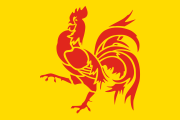
Wallonia
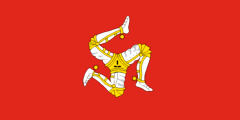
Isle of Man
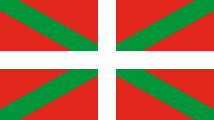
Basque Country
Eastern Europe
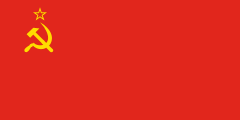
Soviet Union
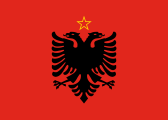
Albania
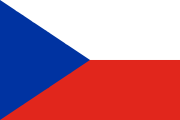
Czechoslovakia
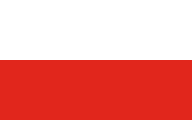
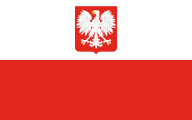
Poland
state flag 4949 Flown over the Presidential Palace, parliament, provincial legislatures, and other government buildings. Private use highly restricted.
Poland
coat of arms flag 5050 Flown by embassies, airports, and merchant ships. Private use strictly banned.
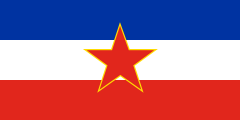
Yugoslavia
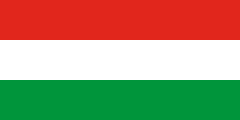
Hungary
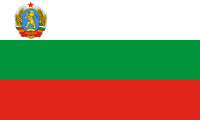
Bulgaria

Estonia 5151 Flown by the diplomatic service in exile and the Estonian disaspora. Flying the national flag was banned under the Soviet occupation.
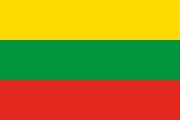
Lithuania 5252 Flown by the diplomatic service in exile and the Lithuanian disaspora. Flying the national flag was banned under the Soviet occupation.
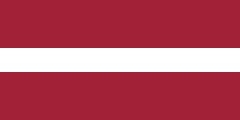
Latvia 5353 Flown by the diplomatic service in exile and the Latvian disaspora. Flying the national flag was banned under the Soviet occupation.
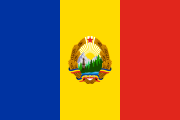
Romania
South Asia and the Indian Ocean
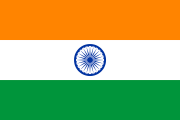
India
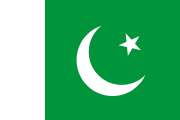
Pakistan
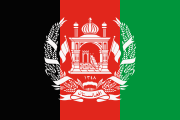
Afghanistan
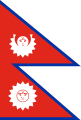
Nepal
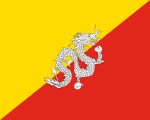
Bhutan

Sikkim
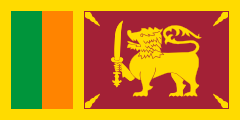
Ceylon
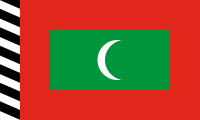
Maldive Islands
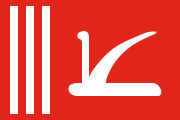
Jammu and Kashmir 5555 Flown in the Indian-controlled parts of the disputed region of Kashmir.
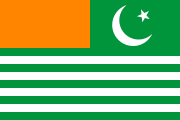
Azad Kashmir 5656 Flown in the Pakistan-controlled parts of the disputed region of Kashmir.
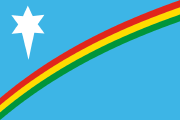
Nagaland 5757 Flown by nationalists and separatists. The Naga Hills area did not have an official flag within India.
East, Central and Southeast Asia

Japan
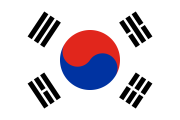
South Korea

North Korea

China
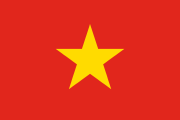
North Vietnam
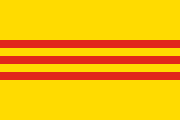
South Vietnam
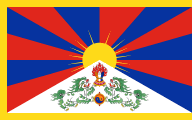
Tibet

Mongolia
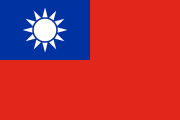
Taiwan 5858 The flag of the Republic of China, the government of Taiwan. Banned on the mainland, as the People's Republic of China claimed sovereignty over the island. Regarded as the flag of China at the United Nations.

Burma
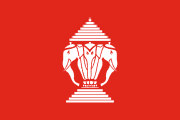
Laos
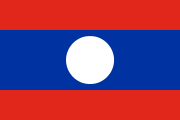
Laos
Pathet Lao flag 5959 Flown by the communist Pathet Lao government-in-exile in Hanoi.
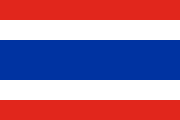
Thailand
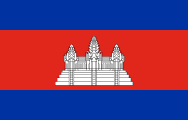
Cambodia

Philippines
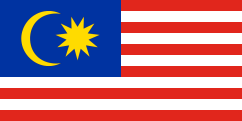
Malaya
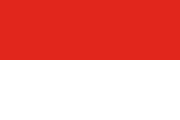
Indonesia
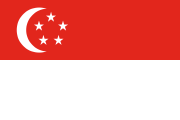
Singapore
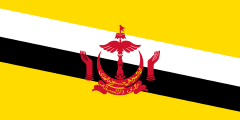
Brunei
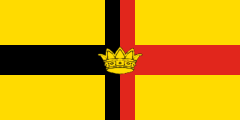
Sarawak 6060 Sarawak also had a blue colonial ensign.
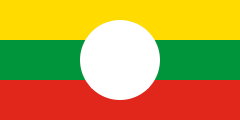
Shan
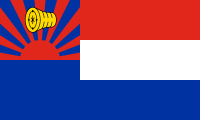
Karen 6161 Flown by Karen nationalists seeking independence and separation from Burma.

East Turkestan 6262 The national flag of the Uyghur people, banned within the People's Republic of China. Xinjiang Region does not have an official flag.
Other International and Cultural Flags
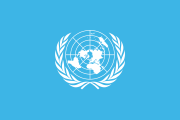
United Nations
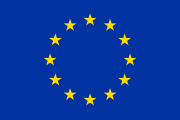
Europe
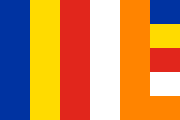
Buddhist Flag
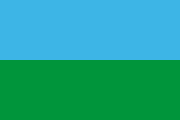
Romani
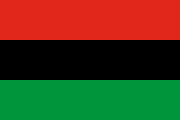
Pan-African Flag
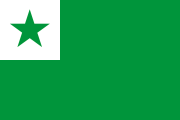
Esperanto

Red Cross

Red Crescent

Red Lion and Sun
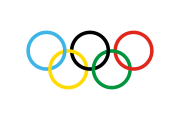
Olympic Games
Events of 1961
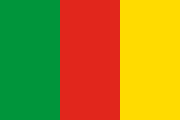
CAMEROON • On October 1, after incorporating the British-administered Southern Cameroons, Cameroon put two stars on its flag to represent its new federal strucutre.

CANARY ISLANDS • The Canarias Libre movement began flying a white-blue-yellow tricolour as the national flag of the Canary Islands.
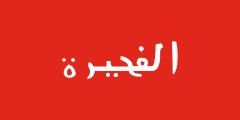
FUJAIRAH • The Trucial State of Fujairah reverted to a plain red flag.
GUINEA AND CAPE VERDE • The African Party for the Independence of Guinea and Cape Verde (PAIGC) adopted a national flag sometime in August.
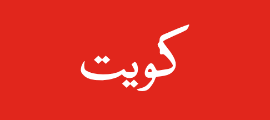
KUWAIT • The United Kingdom terminated its protectorate on June 19. A new flag was adopted on September 7.
MAHRA • Sometime before 1961, the Mahra Sultanate in South Arabia adopted a tricolour flag.
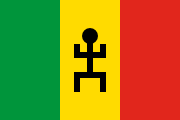
MALI • The human figure was removed from the flag on March 1.
MOZAMBIQUE • The National Democratic Union of Mozambique (UDENAMO) adopted a national flag sometime in August.
RWANDA • The republican government of Rwanda adopted a flag in the pan-African colours on January 28. It added a black R to its flag and reversed the order of the stripes on September 25.

SIERRA LEONE • Sierra Leone became independent from the United Kingdom on April 27. The colours of its flag came from its coat of arms, which had been designed the previous year.
SYRIA • Syria declared independence from the United Arab Republic on September 28. Egypt kept using the union's name and flag.
TANGANYIKA • Tanganyika selected its flag on July 8, in advance of its planned December 9 independence. It was the same green-black-green flag that had been flown by the Tanganyika African National Union, but with thin gold stripes separating the colours.

UMM AL-QUWAIN • A crescent and star was added to the flag on March 9.

WEST PAPUA • Netherlands New Guinea was renamed West Papua and adopted a flag on December 1.
ZIMBABWE • The Zimbabwe African People's Union was established on December 17. Its proposed national flag of Zimbabwe included a drawing of the Great Zimbabwe ruins.
Notes
1 The flag of the kingdom of ʻUvea, used as an unofficial symbol for the entire territory. ↩
2 Not legally the national flag, but allowed to be flown wherever a "distinctive Canadian flag" was needed. ↩
3 Flown by the government, the navy, the national police, and national sports teams. Raised at major ceremonies. The army uses a similar flag with a different coat of arms. ↩
4 Allowed to be flown by anyone. ↩
5 The most common flag, flown over most government buildings, at ceremonies, by diplomatic missions and often by public citizens. ↩
6 An alternative government flag, most commonly flown by the armed forces but also on some public buildings and offices. ↩
7 The simplest version of the national flag, flown by some private citizens. ↩
8 The most common Costa Rican flag. Officially designated for private citizens, but in practice often used on government buildings and schools too. ↩
9 Flown by the government and by diplomatic missions, although also used sometimes by private citizens. ↩
10 Allowed to be flown by anyone. ↩
11 A traditional military emblem, ceremonially flown alongside the national flag at government buildings. ↩
12 A historic flag, ceremonially flown alongside the national flag at government buildings. ↩
13 Flown by the government and armed forces, and unofficially used by many private citizens. ↩
14 Allowed to be flown by anyone. ↩
15 Flown by the governmnent. The armed forces flew a similar flag with olive and laurel branches around the coat of arms. ↩
16 Allowed to be flown by anyone. ↩
17 Flown by nationalists and the government-in-exile. The French colony in Algeria did not have an official flag. ↩
18 Flown by the government, and often by private citizens. At sea, and in certain ceremonial settings on land, the ratio was 1:3. ↩
19 Allowed to be flown by anyone. At sea, the ratio was 1:3. ↩
20 Flag of the Federation of South Arabia, the British protected state at the core of South Arabia. ↩
21 Often (but not always) flown by the royal house and the government. ↩
22 Flown by anyone. ↩
23 Flag of the African Party for the Independence of Guinea and Cape Verde, which aimed for separation from Portugal. Eventually became the flag of Guinea-Bissau. Portuguese colonies did not have official flags. ↩
24 Flag of the South West Africa People's Organisation, which sought independence from South Africa. Direct predecessor of the flag of Namibia. The territorial government did not have an official flag. ↩
25 Flag of the Malawi Congress Party, which sought independence for British Nyasland. Direct predecessor of the modern flag of Malawi. The colony was part of the nominally self-governing Federation of Rhodesia and Nyasaland, which had a rarely-used British ensign with the federation coat of arms. ↩
26 Flag of the Kenya African National Union, which sought independence from Great Britain. Direct predecessor of the modern flag of Kenya. The colony also had a rarely-used British ensign with a red lion badge. ↩
27 Flag of the United National Independence Party, which sought independence for the British colony of Northern Rhodesia. Direct predecessor of the modern flag of Zambia. The colony was part of the nominally self-governing Federation of Rhodesia and Nyasaland, which had a rarely-used British ensign with the federation coat of arms. ↩
28 Flag of the National Democratic Union of Mozambique, which aimed for independence from Portugal. Portuguese colonies did not have official flags. ↩
29 Flag of the Zimbabwe African People's Union, which sought independence and majority rule for the British colony of Southern Rhodesia. The colony was part of the nominally self-governing Federation of Rhodesia and Nyasaland, which had a rarely-used British ensign with the federation coat of arms. ↩
30 Flown by private citizens and municipalities. ↩
31 Flown by the federal government and the armed forces. ↩
32 Allowed to be flown by anyone. ↩
33 Flown by the royal house, the government, and the armed forces. Also granted to a select list of private institutions and companies. ↩
34 Allowed to be flown by anyone. ↩
35 Flown only on state-owned buildings and naval ships. ↩
36 Allowed to be flown by anyone. ↩
37 Flown on government buildings and coast guard ships. ↩
38 Flown for all purposes. A three-tailed version of the national flag is flown by the military. ↩
39 Allowed to be flown by anyone. ↩
40 Flown by the government, border guard, and public universities. The armed forces fly a version with a swallowtail cut. ↩
41 Flown on land within Greece. The military flag had a crown in the centre of the cross. ↩
42 Flown at sea and abroad. The naval ensign had a crown in the centre of the cross. ↩
43 Flown by the government, sporting teams and by some private citizens. More or less exclusively a unionist symbol. ↩
44 Allowed to be flown by anyone. ↩
45 Flown over the Prince's Palace and government buildings. ↩
46 Flown by civilian ships. Plain flags without the George Cross were also common. The colonial government had a blue ensign with the Maltese coat of arms on it. ↩
47 The traditional Catalan flag. ↩
48 The flag preferred by supporters of Catalan independence. ↩
49 Flown over the Presidential Palace, parliament, provincial legislatures, and other government buildings. Private use highly restricted. ↩
50 Flown by embassies, airports, and merchant ships. Private use strictly banned. ↩
51 Flown by the diplomatic service in exile and the Estonian disaspora. Flying the national flag was banned under the Soviet occupation. ↩
52 Flown by the diplomatic service in exile and the Lithuanian disaspora. Flying the national flag was banned under the Soviet occupation. ↩
53 Flown by the diplomatic service in exile and the Latvian disaspora. Flying the national flag was banned under the Soviet occupation. ↩
54 Banned within the People's Republic of China. The "Tibet Area" did not have an official flag. ↩
55 Flown in the Indian-controlled parts of the disputed region of Kashmir. ↩
56 Flown in the Pakistan-controlled parts of the disputed region of Kashmir. ↩
57 Flown by nationalists and separatists. The Naga Hills area did not have an official flag within India. ↩
58 The flag of the Republic of China, the government of Taiwan. Banned on the mainland, as the People's Republic of China claimed sovereignty over the island. Regarded as the flag of China at the United Nations. ↩
59 Flown by the communist Pathet Lao government-in-exile in Hanoi. ↩
60 Sarawak also had a blue colonial ensign. ↩
61 Flown by Karen nationalists seeking independence and separation from Burma. ↩
62 The national flag of the Uyghur people, banned within the People's Republic of China. Xinjiang Region does not have an official flag. ↩