Oceania

Tonga
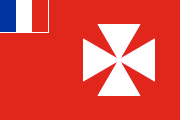
Wallis and Futuna 11 The flag of the kingdom of ʻUvea, used as an unofficial symbol for the entire territory.
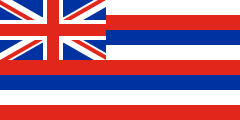
Hawaiʻi

Australia
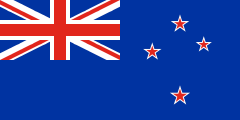
New Zealand
North America
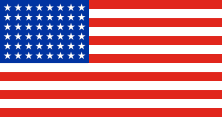
United States
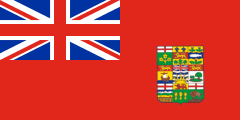
Canada 22 Officially only to be flown by civilian ships, but in practice flown widely on land as the national flag. The badge was only supposed to have the arms of the original four provinces, but the nine-province version was much more common. It was also often placed on a white disc, or adorned with wreath of maple leaves and a crown.
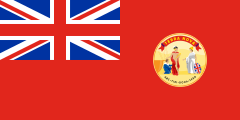
Newfoundland 33 Officially only to be flown civilian ships, but in practice flown widely on land as the national flag.
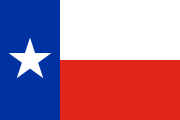
Texas
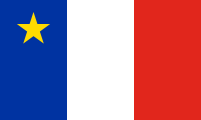
Acadia
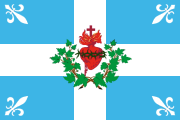
Québec
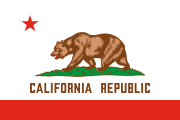
California
Latin America
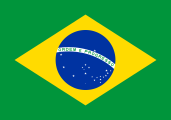
Brazil

Mexico
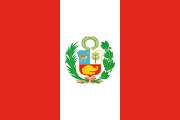
Peru
national ensign 44 Flown by the government, the navy, the national police, and national sports teams. Raised at major ceremonies. The army uses a similar flag with a different coat of arms.
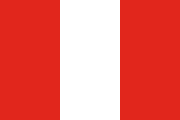
Peru
national flag 55 Allowed to be flown by anyone.
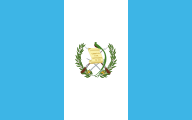
Guatemala
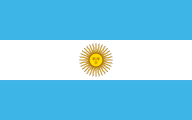
Argentina
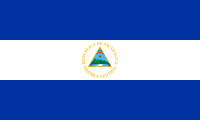
Nicaragua

El Salvador
national flag 66 The most common flag, flown over most government buildings, at ceremonies, by diplomatic missions and often by public citizens.

El Salvador
inscribed flag 77 An alternative government flag, most commonly flown by the armed forces but also on some public buildings and offices.
El Salvador
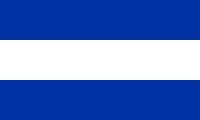
plain flag 88 The simplest version of the national flag, flown by some private citizens.
Honduras

Paraguay
front side
Paraguay
back side
Costa Rica
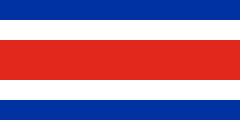
national flag 99 The most common Costa Rican flag. Officially designated for private citizens, but in practice often used on government buildings and schools too.
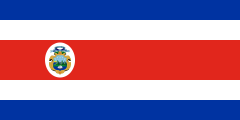
Costa Rica
national ensign 1010 Flown by the government and by diplomatic missions, although also used sometimes by private citizens.
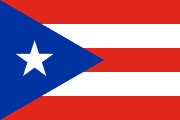
Puerto Rico 1111 Flown by Puerto Rican nationalists. Display of the flag was initially banned under American rule.

Cuba
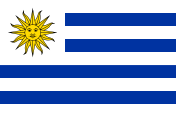
Uruguay
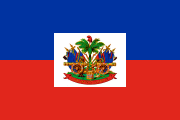
Haiti
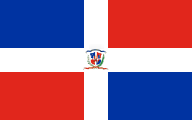
Dominican Republic
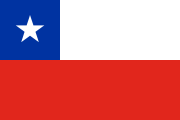
Chile
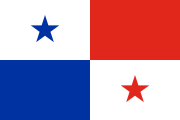
Panama
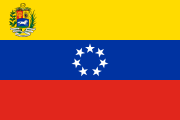
Venezuela
national ensign 1212 Flown by the government and armed forces, and unofficially used by many private citizens.
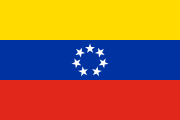
Venezuela
national flag 1313 Allowed to be flown by anyone.
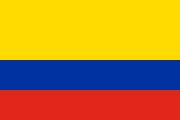
Colombia
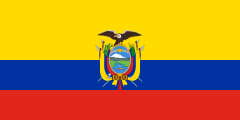
Ecuador
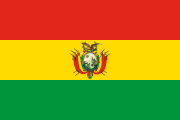
Bolivia
state flag 1414 Flown by the governmnent. The armed forces flew a similar flag with olive and laurel branches around the coat of arms.
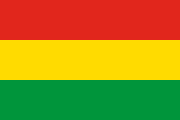
Bolivia
national flag 1515 Allowed to be flown by anyone.
Middle East and North Africa
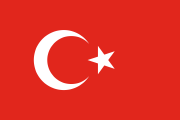
Turkey
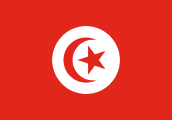
Tunisia
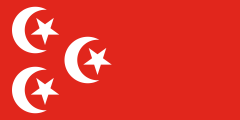
Egypt

Jebel Shammar
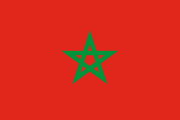
Morocco

Muscat and Oman
Kuwait 1616 There were many variations of this flag, depending on who was flying it and when. Some versions would have added inscriptions, decorations or royal symbols. The flag could also be triangular.

Bahrain 1717 The number of points could vary. Some flags even had a completely straight-edged stripe.

Ras al-Khaimah · Sharjah 1818 Officially all of the Trucial States were supposed to fly a square red flag with a thick white border. In practice this flag became exclusively associated with the Al Qasimi dynasty. The other states mostly flew plain red flags.
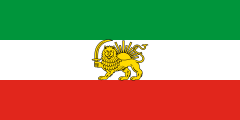
Persia
state flag 1919 Flown by the government, and often by private citizens.
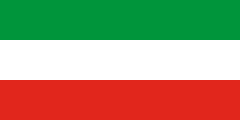
Persia
national flag 2020 Allowed to be flown by anyone.
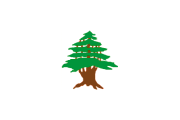
Mount Lebanon
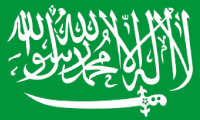
Nejd
Sub-Saharan Africa

Ethiopia
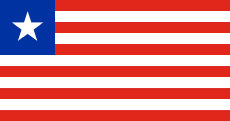
Liberia
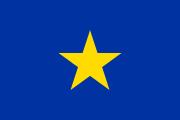
Congo

Zanzibar
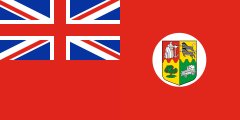
South Africa
Western Europe
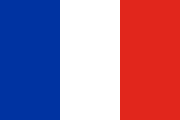
France
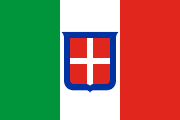
Italy
national flag 2121 Flown by private citizens and merchant ships. The "Italian Social Republic", the Nazi puppet regime in the north, flew the plain tricolour as a national flag and had a war flag with an eagle gripping a fasces. The anti-fascist Italian partisans flew either plain tricolours or tricolours with a white or red star on the middle stripe.
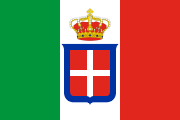
Italy
state flag 2222 Flown by the government and navy.
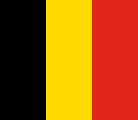
Belgium 2323 Flying the national flag was banned under the German occupation.
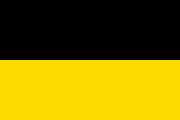
Austria
Imperial colours 2424 The dynastic colours of the Hapsburg monarchy, often used as a flag on land.
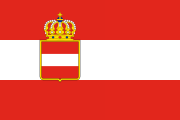
Austria
naval flag 2525 Flown by navy ships. Direct predecessor of the modern Austrian flag. By law the flag was also supposed to have the coat of arms of Hungary on it, but flags of this type were never manufactured.
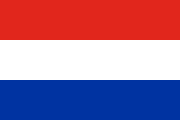
Netherlands
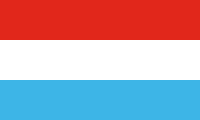
Luxembourg
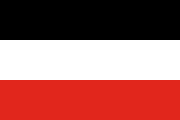
Germany
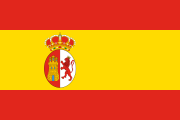
Spain

Andorra

Switzerland
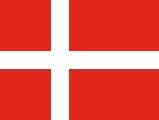
Denmark
national flag 2626 Allowed to be flown by anyone.

Denmark
sovereign flag 2727 Flown by the royal house, the government, and the armed forces. Also granted to a select list of private institutions and companies.
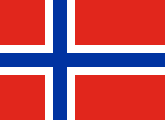
Norway
merchant flag 2828 Allowed to be flown by anyone.
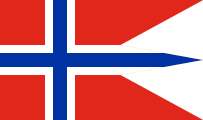
Norway
state flag 2929 Flown only on state-owned buildings and naval ships.
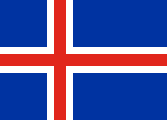
Iceland
national flag 3030 Allowed to be flown by anyone.
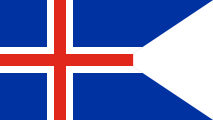
Iceland
state flag 3131 Flown on government buildings and coast guard ships.
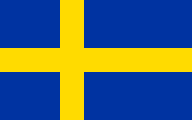
Sweden 3232 Flown for all purposes. A three-tailed version of the national flag is flown by the military.
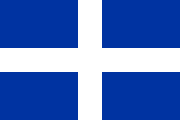
Greece
land flag 3333 Flown on land within Greece. The military flag had a crown in the centre of the cross.

Greece
sea flag 3434 Flown at sea and abroad. The naval ensign had a crown in the centre of the cross.
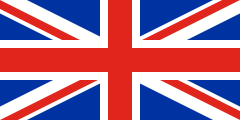
United Kingdom
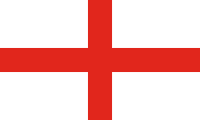
England
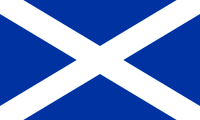
Scotland
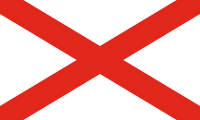
Jersey
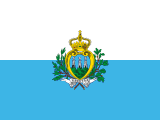
San Marino
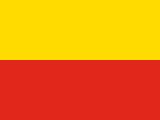
Liechtenstein
princely flag 3535 Flown by the prince, and unofficially as a national flag. Blue and red flags were also in use.
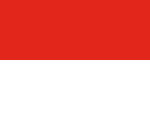
Monaco
national flag 3636 Allowed to be flown by anyone.
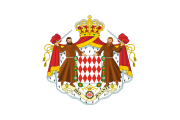
Monaco
princely flag 3737 Flown over the Prince's Palace and government buildings.

Malta
traditional flag 3838 Flown unofficially, mostly by civilian ships. There was also a blue colonial ensign with the Maltese coat of arms on it.
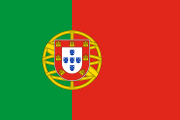
Portugal
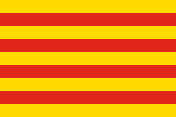
Catalonia
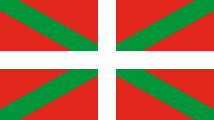
Basque Country
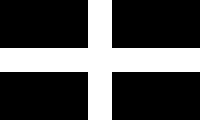
Cornwall

Galicia
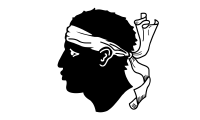
Corsica
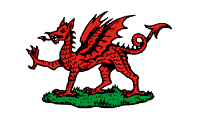
Wales
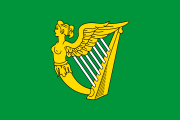
Ireland
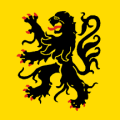
Flanders
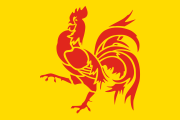
Wallonia
Eastern Europe

Russia
national flag 3939 Flown for most purposes.
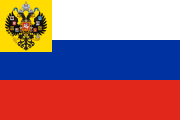
Russia
flag for private use 4040 A symbol of the Imperial house permitted for use by private citizens. Relatively uncommon, mostly used on decorative or propaganda images.
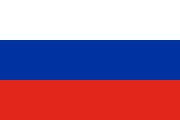
Carniola
national colours 4141 Designated as the official colours of the Austrian crown land of Carniola. Regarded as the unofficial national flag of Slovenia.
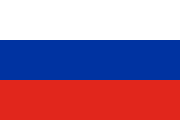
Slovakia 4242 Flown by advocates of Slovakian independence. The "Upper Hungary" region did not have an official flag.
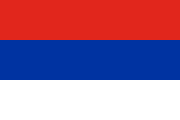
Serbia
national flag 4343 Allowed to be flown by anyone.

Serbia
state flag 4444 Flown the government and armed forces.
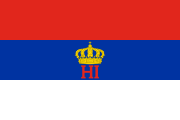
Montenegro
merchant flag 4545 Flown by the merchant fleet. The plain Serbian tricolour was also widely flown within in the country.
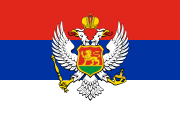
Montenegro
royal flag 4646 Flown by the king and the government.
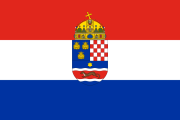
Croatia and Slavonia
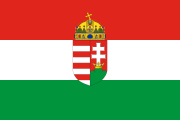
Hungary

Bulgaria

Estonia
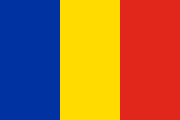
Romania
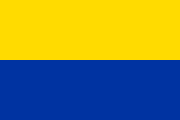
Ukraine 4747 Flown by Ukrainian nationalists. The order of colours wasn't fixed.
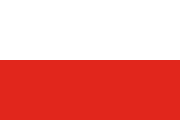
Bohemia
state colours 4848 Designated as the official colours of the Austrian crown land of Bohemia. Not an official flag, but informally regarded as a Czech national symbol. A white flag with the Bohemian coat of arms was also sometimes used.
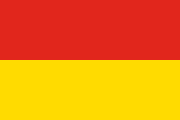
Bosnia and Herzegovina

Poland
banner 4949 The former royal banner of Poland, no longer official but still used as an informal national symbol.

Albania
South Asia and the Indian Ocean
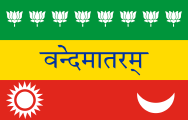
India 5050 The "Calcutta flag" flown by independence activists. British India had several colonial flags. A red civil ensign with the Star of India medal on it was used to represent India at international sporting events.
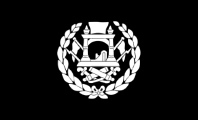
Afghanistan
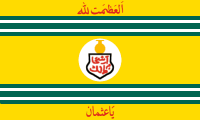
Hyderabad

Jammu and Kashmir 5151 The maharaja's flag had yellow stripes at the top and bottom.

Nepal
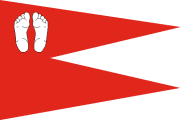
Jhabua 5252 The raja's flag was rectangular

Dewas
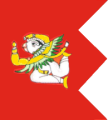
Kota
princely flag 5353 Flown by the Maharao and also used as a state flag. The flag was sometimes much longer.
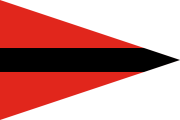
Benares
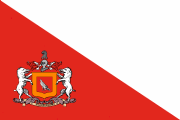
Sailana 5454 The previous plain red flag was sometimes flown as an alternate state flag.
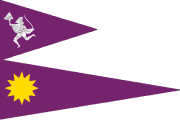
Ajaigarh 5555 The reverse side of the flag showed a moon and a flower.

Mewar 5656 Mewar had a number of reported princely banners which were also sometimes used as state flags. The most common one had a large yellow sun and a blue katar dagger.

Kolhapur 5757 Kolhapur flew the Maratha saffron banner as a state flag. The maharaja had a diagonally-divided red and orange flag.

Dhar
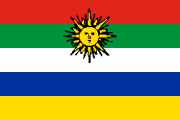
Jaipur
Alwar
Idar
Sirohi
Jodhpur
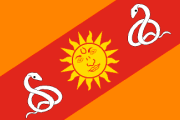
Gwalior
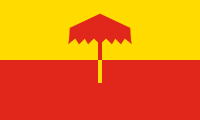
Jaisalmer
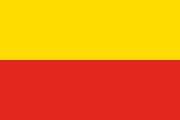
Nabha
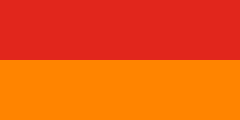
Bikaner
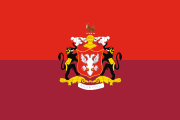
Mysore
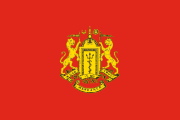
Wankaner
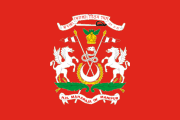
Manipur

Charkhari

Banswara
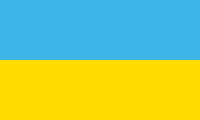
Dholpur

Chhatarpur

Kapurthala
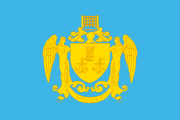
Cambay
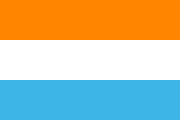
Bharatpur
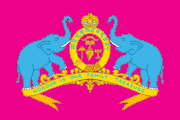
Kochin
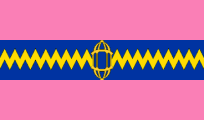
Dhrangadhra

Rajpipla
princely flag 5858 Flown by the maharaja and often used as a state flag.

Rajpipla
national flag 5959 Allowed to be flown by civilians.
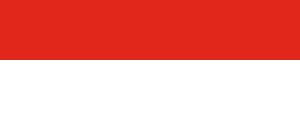
Indore 6060 Inland river boats flew a triangular pennant in the same colours.
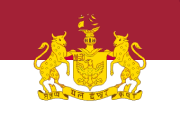
Bhavnagar 6161 There was also a red British colonial ensign with the coat of arms on it.
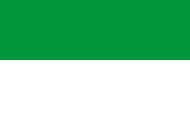
Tonk 6262 The nawab's flag, which was sometimes used as an alternate state flag, was white with a green hand.
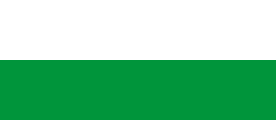
Garhwal 6363 The maharaja's flag had a gold eagle on it. The armed forces used a flag with white and purple stripes.
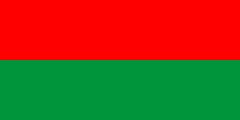
Suket 6464 The raja's flag had a gold tiger head in the middle. The war flag was a red flag with the state coat of arms on it.
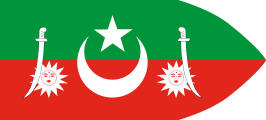
Kalat
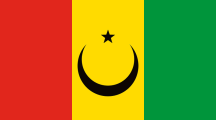
Bahawalpur
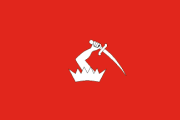
Baroda
princely flag 6565 Flown by the maharaja and often used as a state flag. The swallowtailed saffron Maratha banner was also sometimes flown.
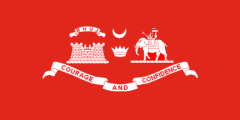
Kutch
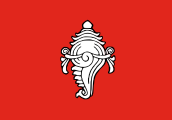
Travancore

Rajgarh

Pratapgarh 6666 The maharawat's flag had the same design but in yellow instead of white.
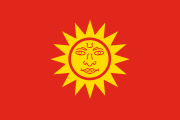
Cooch Behar
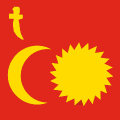
Barwani
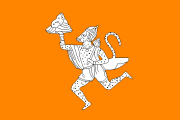
Porbandar
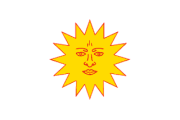
Sitamau 6767 The Raja's flag had a red sun

Faridkot
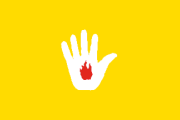
Rewa
princely flag 6868 Flag of the maharaja's dynasty, used as a state flag.

Bundi

Jhalawar

Karauli
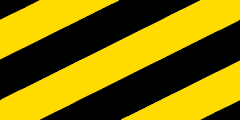
Orchha
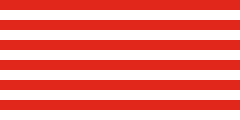
Alirajpur
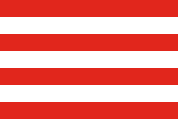
Khairpur
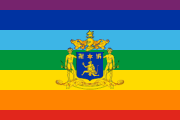
Dungarpur

Baoni

Mandi 6969 The flag flown at the palace had the state coat of arms on it.
Kishangarh
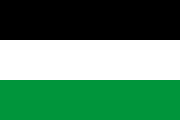
Bhopal 7070 The begum's standard had a crown and inscription on it.
Jaora
Rampur

Bilaspur

Sikkim
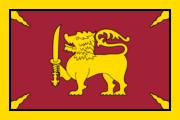
Sinhalese Flag 7171 Flown by Sinhalese nationalists in Ceylon, now Sri Lanka. There was also an infrequently-used blue British colonial ensign with an elephant badge.
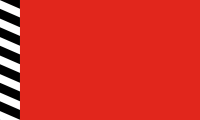
Maldive Islands
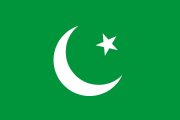
Muslim League 7272 Flag of the All-India Muslim League, which advocated for Muslim interests within British India. The direct predecessor of the flag of Pakistan.
East, Central and Southeast Asia

Japan
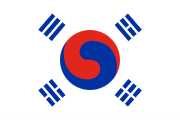
Korea 7373 Flown by the Korean independence movement. Banned under Japanese occupation.
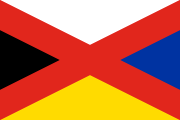
China
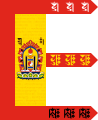
Mongolia
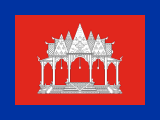
Cambodia
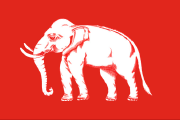
Siam
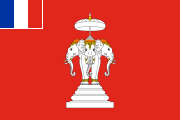
Laos
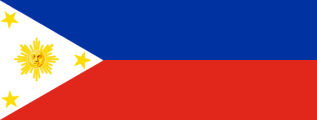
Philippines 7474 Banned by the American colonial government. The Insular Government of the Philippine Islands had no official flag at this time.
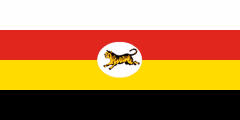
Federated Malay States
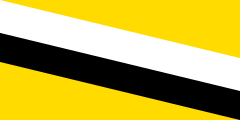
Brunei

Terengganu

Sarawak

Perlis

Johor
state flag 7575 Flown by the sultan and on naval ships.

Johor
merchant flag 7676 Flown by merchant ships and sometimes used by civilians as an alternate national flag.
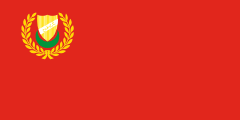
Kedah
state flag 7777 Flown over the sultan's palace and the military.
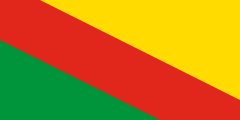
Kedah
merchant flag 7878 Flown by merchant ships.
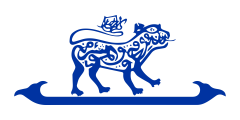
Kelantan
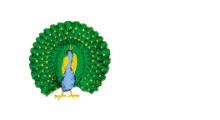
Burma 7979 Flown by Burmese nationalists. The British colonial government did not have a distinct flag.
Other International and Cultural Flags
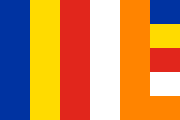
Buddhist Flag
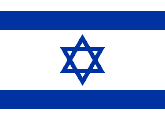
Zionist Movement
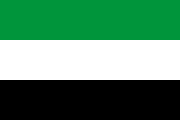
Arab Nationalist Flag
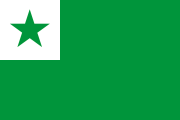
Esperanto

Red Cross

Red Crescent
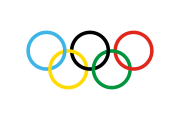
Olympic Games
Events of 1915
CEYLON • The former royal standard of the Kingdom of Kandy was reintroduced as a Sinhalese nationalist flag. It appeared on newspaper and magazine covers around the 100th anniversary of the imposition of British rule, and was later widely flown during the summer's anti-Muslim riots. The flag would eventually be adopted by independent Ceylon in 1948.
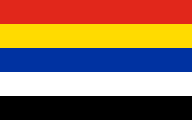
CHINA • President Yuan Shikai declared himself Emperor of China on December 12. The Empire's flag had the same colours as the Republican flag but arranged in a diagonal cross shape.

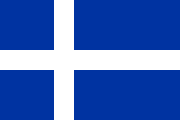
ICELAND • A new flag was officially adopted on June 19. The country's Parliament had tried to legalize the white and blue flag in 1913, but their request had been denied on the grounds that it was too close to the flag of Greece.
MOROCCO • A green Seal of Solomon was added to the Moroccan flag on November 17.

Notes
1 The flag of the kingdom of ʻUvea, used as an unofficial symbol for the entire territory. ↩
2 Officially only to be flown by civilian ships, but in practice flown widely on land as the national flag. The badge was only supposed to have the arms of the original four provinces, but the nine-province version was much more common. It was also often placed on a white disc, or adorned with wreath of maple leaves and a crown. ↩
3 Officially only to be flown civilian ships, but in practice flown widely on land as the national flag. ↩
4 Flown by the government, the navy, the national police, and national sports teams. Raised at major ceremonies. The army uses a similar flag with a different coat of arms. ↩
5 Allowed to be flown by anyone. ↩
6 The most common flag, flown over most government buildings, at ceremonies, by diplomatic missions and often by public citizens. ↩
7 An alternative government flag, most commonly flown by the armed forces but also on some public buildings and offices. ↩
8 The simplest version of the national flag, flown by some private citizens. ↩
9 The most common Costa Rican flag. Officially designated for private citizens, but in practice often used on government buildings and schools too. ↩
10 Flown by the government and by diplomatic missions, although also used sometimes by private citizens. ↩
11 Flown by Puerto Rican nationalists. Display of the flag was initially banned under American rule. ↩
12 Flown by the government and armed forces, and unofficially used by many private citizens. ↩
13 Allowed to be flown by anyone. ↩
14 Flown by the governmnent. The armed forces flew a similar flag with olive and laurel branches around the coat of arms. ↩
15 Allowed to be flown by anyone. ↩
16 There were many variations of this flag, depending on who was flying it and when. Some versions would have added inscriptions, decorations or royal symbols. The flag could also be triangular. ↩
17 The number of points could vary. Some flags even had a completely straight-edged stripe. ↩
18 Officially all of the Trucial States were supposed to fly a square red flag with a thick white border. In practice this flag became exclusively associated with the Al Qasimi dynasty. The other states mostly flew plain red flags. ↩
19 Flown by the government, and often by private citizens. ↩
20 Allowed to be flown by anyone. ↩
21 Flown by private citizens and merchant ships. The "Italian Social Republic", the Nazi puppet regime in the north, flew the plain tricolour as a national flag and had a war flag with an eagle gripping a fasces. The anti-fascist Italian partisans flew either plain tricolours or tricolours with a white or red star on the middle stripe. ↩
22 Flown by the government and navy. ↩
23 Flying the national flag was banned under the German occupation. ↩
24 The dynastic colours of the Hapsburg monarchy, often used as a flag on land. ↩
25 Flown by navy ships. Direct predecessor of the modern Austrian flag. By law the flag was also supposed to have the coat of arms of Hungary on it, but flags of this type were never manufactured. ↩
26 Allowed to be flown by anyone. ↩
27 Flown by the royal house, the government, and the armed forces. Also granted to a select list of private institutions and companies. ↩
28 Allowed to be flown by anyone. ↩
29 Flown only on state-owned buildings and naval ships. ↩
30 Allowed to be flown by anyone. ↩
31 Flown on government buildings and coast guard ships. ↩
32 Flown for all purposes. A three-tailed version of the national flag is flown by the military. ↩
33 Flown on land within Greece. The military flag had a crown in the centre of the cross. ↩
34 Flown at sea and abroad. The naval ensign had a crown in the centre of the cross. ↩
35 Flown by the prince, and unofficially as a national flag. Blue and red flags were also in use. ↩
36 Allowed to be flown by anyone. ↩
37 Flown over the Prince's Palace and government buildings. ↩
38 Flown unofficially, mostly by civilian ships. There was also a blue colonial ensign with the Maltese coat of arms on it. ↩
39 Flown for most purposes. ↩
40 A symbol of the Imperial house permitted for use by private citizens. Relatively uncommon, mostly used on decorative or propaganda images. ↩
41 Designated as the official colours of the Austrian crown land of Carniola. Regarded as the unofficial national flag of Slovenia. ↩
42 Flown by advocates of Slovakian independence. The "Upper Hungary" region did not have an official flag. ↩
43 Allowed to be flown by anyone. ↩
44 Flown the government and armed forces. ↩
45 Flown by the merchant fleet. The plain Serbian tricolour was also widely flown within in the country. ↩
46 Flown by the king and the government. ↩
47 Flown by Ukrainian nationalists. The order of colours wasn't fixed. ↩
48 Designated as the official colours of the Austrian crown land of Bohemia. Not an official flag, but informally regarded as a Czech national symbol. A white flag with the Bohemian coat of arms was also sometimes used. ↩
49 The former royal banner of Poland, no longer official but still used as an informal national symbol. ↩
50 The "Calcutta flag" flown by independence activists. British India had several colonial flags. A red civil ensign with the Star of India medal on it was used to represent India at international sporting events. ↩
51 The maharaja's flag had yellow stripes at the top and bottom. ↩
52 The raja's flag was rectangular ↩
53 Flown by the Maharao and also used as a state flag. The flag was sometimes much longer. ↩
54 The previous plain red flag was sometimes flown as an alternate state flag. ↩
55 The reverse side of the flag showed a moon and a flower. ↩
56 Mewar had a number of reported princely banners which were also sometimes used as state flags. The most common one had a large yellow sun and a blue katar dagger. ↩
57 Kolhapur flew the Maratha saffron banner as a state flag. The maharaja had a diagonally-divided red and orange flag. ↩
58 Flown by the maharaja and often used as a state flag. ↩
59 Allowed to be flown by civilians. ↩
60 Inland river boats flew a triangular pennant in the same colours. ↩
61 There was also a red British colonial ensign with the coat of arms on it. ↩
62 The nawab's flag, which was sometimes used as an alternate state flag, was white with a green hand. ↩
63 The maharaja's flag had a gold eagle on it. The armed forces used a flag with white and purple stripes. ↩
64 The raja's flag had a gold tiger head in the middle. The war flag was a red flag with the state coat of arms on it. ↩
65 Flown by the maharaja and often used as a state flag. The swallowtailed saffron Maratha banner was also sometimes flown. ↩
66 The maharawat's flag had the same design but in yellow instead of white. ↩
67 The Raja's flag had a red sun ↩
68 Flag of the maharaja's dynasty, used as a state flag. ↩
69 The flag flown at the palace had the state coat of arms on it. ↩
70 The begum's standard had a crown and inscription on it. ↩
71 Flown by Sinhalese nationalists in Ceylon, now Sri Lanka. There was also an infrequently-used blue British colonial ensign with an elephant badge. ↩
72 Flag of the All-India Muslim League, which advocated for Muslim interests within British India. The direct predecessor of the flag of Pakistan. ↩
73 Flown by the Korean independence movement. Banned under Japanese occupation. ↩
74 Banned by the American colonial government. The Insular Government of the Philippine Islands had no official flag at this time. ↩
75 Flown by the sultan and on naval ships. ↩
76 Flown by merchant ships and sometimes used by civilians as an alternate national flag. ↩
77 Flown over the sultan's palace and the military. ↩
78 Flown by merchant ships. ↩
79 Flown by Burmese nationalists. The British colonial government did not have a distinct flag. ↩