Oceania
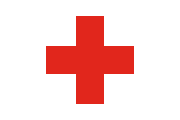
Tonga
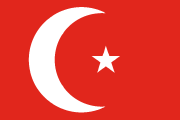
Samoa
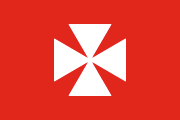
ʻUvea
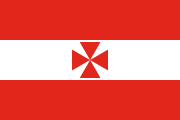
Rimatara
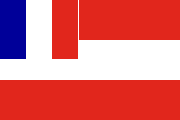
Tahiti
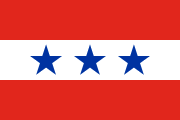
Rarotonga

Mangareva
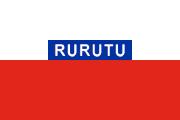
Rurutu

Huahine
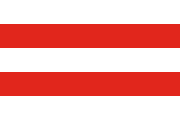
Raʻiatea
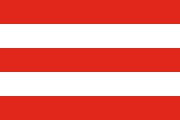
Bora Bora
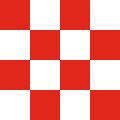
Tahuata
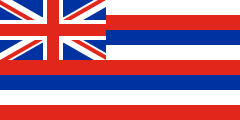
Hawaiʻi
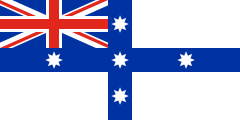
Australia
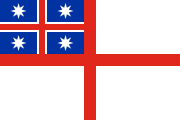
New Zealand 11 The former flag of the United Tribes of New Zealand, which remained in use as an unofficial symbol of the country.
North America
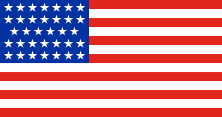
United States
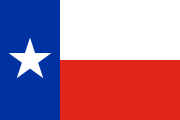
Texas
Newfoundland
Native flag 22 An unofficial local flag. The British colony of Newfoundland had no distinctive local symbols. Note that "Native" here means "born in the colony" and has nothing to do with the First Nations.
Latin America
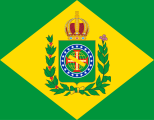
Brazil
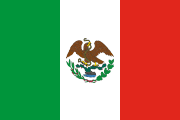
Mexico
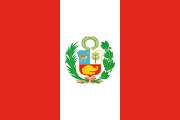
Peru
national ensign 33 Flown by the government, the navy, the national police, and national sports teams. Raised at major ceremonies. The army uses a similar flag with a different coat of arms.
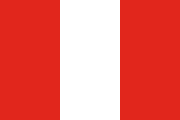
Peru
national flag 44 Allowed to be flown by anyone.
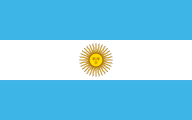
Argentina

Honduras · Nicaragua · Salvador
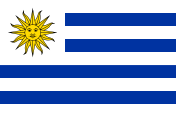
Uruguay

Paraguay
front side
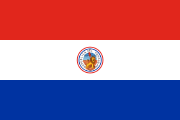
Paraguay
back side
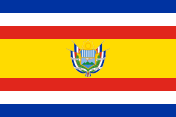
Guatemala
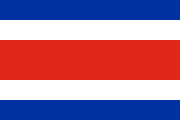
Costa Rica
national flag 55 The most common Costa Rican flag. Officially designated for private citizens, but in practice often used on government buildings and schools too.
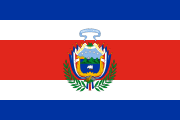
Costa Rica
national ensign 66 Flown by the government and by diplomatic missions, although also used sometimes by private citizens.
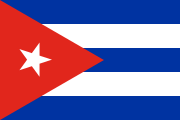
Cuba 77 Flown by Cuban nationalists and revolutionaries who sought independence from Spain.
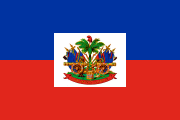
Haiti
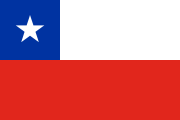
Chile

Venezuela
national ensign 88 Flown by the Conservative government and its armed forces.
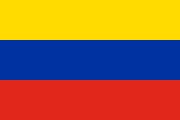
Venezuela
national flag 99 The second flag of the Conservative government, allowed to be flown by anyone.
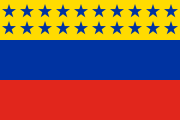
Venezuela
Federalist flag 1010 Flown by the Federalist Provisional Government based in Coro.
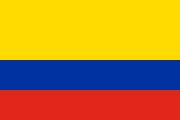
Colombia
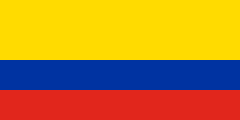
Ecuador
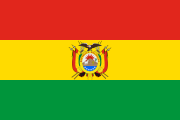
Bolivia
state flag 1111 Flown by the government and armed forces.
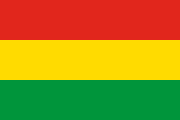
Bolivia
national flag 1212 Allowed to be flown by anyone.

Santo Domingo
registration ensign 1313 Flown by ships operating out of the Spanish maritime province of Santo Domingo during the country's brief reconquest by Spain.
Middle East and Africa
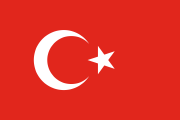
Turkey
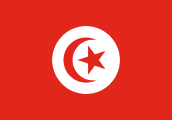
Tunis
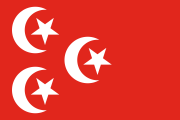
Egypt

Jebel Shammar
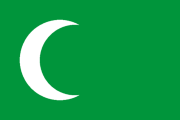
Nejd
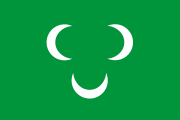
Tripoli 1414 The most commonly reported flag from the period. Flags with green, white and red stripes also seem to have been used. Probably flown exclusively on ships. The Turkish flag was the official national flag.

Morocco 1515 Flown over the palace in Rabat and on ships. Military flags on land were often dectorated with a yellow or green octagram.

Muscat and Oman · Zanzibar · Bahrain 1616 Arab monarchies, especially those in and around the Gulf, flew plain red flags from their ships. These weren't quite "national flags" in the modern sense, but European powers tended to view them that way.

Ras al-Khaimah · Sharjah 1717 Officially all of the Trucial States were supposed to fly a square red flag with a thick white border. In practice this flag became exclusively associated with the Al Qasimi dynasty. The other states mostly flew plain red flags.
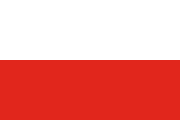
Madagascar
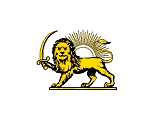
Persia
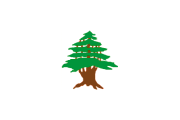
Mount Lebanon

Futa Jallon

Sokoto Caliphate
green flag of Islam 1818 Flown by exclusively by the sultan as a symbol of religious authority. Not really a "national flag" as we'd understand it in modern terms. The sultan also gave white flags to his vassal emirs within the Caliphate.
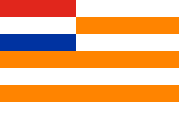
Orange Free State
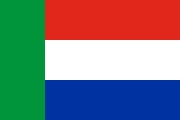
South African Republic (Transvaal)
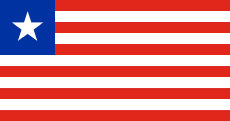
Liberia
Western Europe
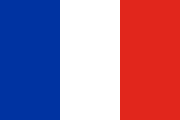
France
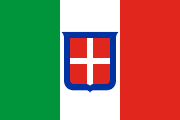
Italy
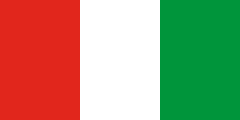
national flag 1919 Flown by private citizens and merchant ships. The "Italian Social Republic", the Nazi puppet regime in the north, flew the plain tricolour as a national flag and had a war flag with an eagle gripping a fasces. The anti-fascist Italian partisans flew either plain tricolours or tricolours with a white or red star on the middle stripe.
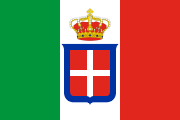
Italy
state flag 2020 Flown by the government and navy.
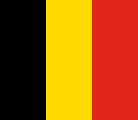
Belgium
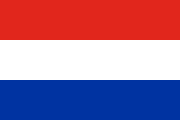
Netherlands
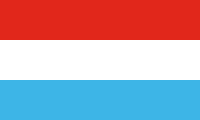
Luxembourg
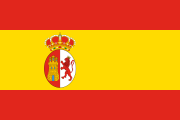
Spain

Switzerland
army flag 2121 Flag of the federal army, treated as an unofficial national flag.
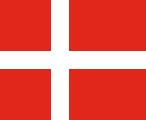
Denmark
national flag 2222 Allowed to be flown by anyone.
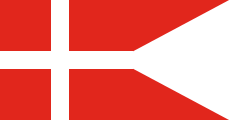
Denmark
sovereign flag 2323 Flown by the royal house, the government, and the armed forces. Also granted to a select list of private institutions and companies.
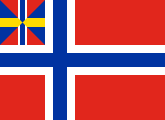
Norway
merchant flag 2424 Allowed to be flown by anyone. The union mark in the top-left corner of the flag was flown on its own as a joint diplomatic flag for Sweden and Norway.
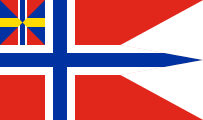
Norway
state flag 2525 Flown only on state-owned buildings and naval ships.
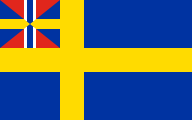
Sweden
merchant flag 2626 Allowed to be flown by anyone. The union mark in the top-left corner of the flag was flown on its own as a joint diplomatic flag for Sweden and Norway.
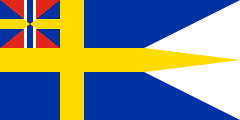
Sweden
war flag 2727 Flown on government buildings and by the military.
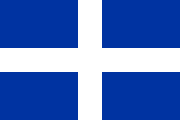
Greece
land flag 2828 Flown on land within Greece. The military flag had a crown in the centre of the cross.

Greece
sea flag 2929 Flown at sea and abroad. The naval ensign had a crown in the centre of the cross.
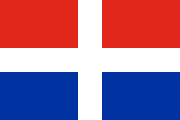
Samos
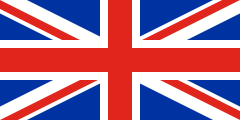
United Kingdom
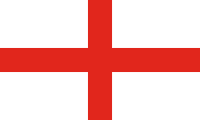
England
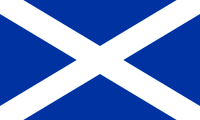
Scotland
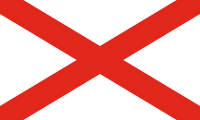
Jersey
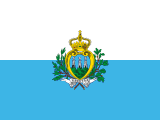
San Marino
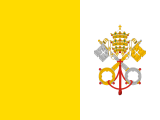
Papal States

Portugal

Malta
traditional flag 3030 Flown unofficially, mostly by civilian ships.
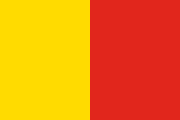
Andorra
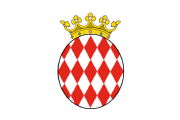
Monaco
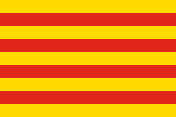
Catalonia
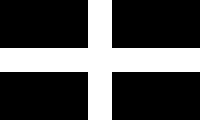
Cornwall
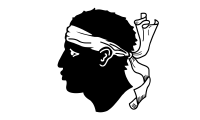
Corsica
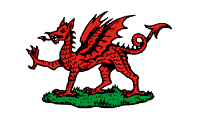
Wales
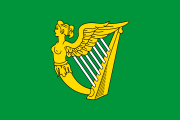
Ireland
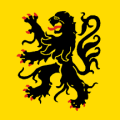
Flanders
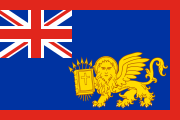
Ionian Islands
German States
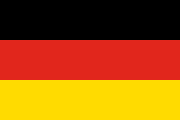
German Confederation
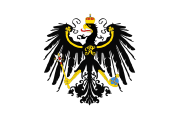
Prussia
royal flag 3131 Flown by the monarchy and government.
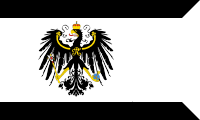
Prussia
merchant flag 3232 Flown by merchant ships.

Prussia
state colours 3333 The traditional heraldic colours of Prussia, often used as a flag on land.
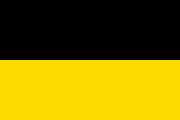
Austria
Imperial colours 3434 The dynastic colours of the Hapsburg monarchy, often used as a flag on land.
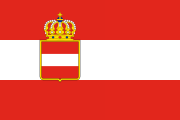
Austria
naval flag 3535 Flown by merchant and navy ships.
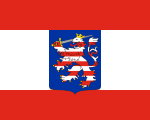
Hesse-Darmstadt

Hesse-Kassel
state colours 3636 Designated as the official colours of Hesse. Not technically a national flag, but often used as one.
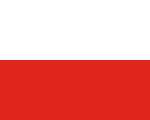
Hesse-Homburg
state colours 3737 Designated as the official colours of Hesse. Not technically a national flag, but often used as one.

Lübeck
state flag 3838 Flown by the government.
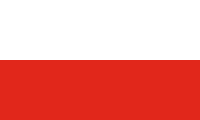
Lübeck
merchant flag 3939 Flown by merchant ships.
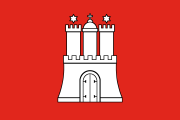
Hamburg
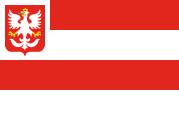
Frankfurt
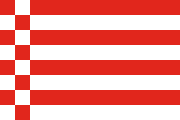
Bremen 4040 The number of stripes could vary but eight was the most common.
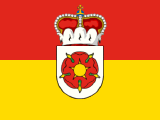
Lippe
princely flag 4141 Flown by the prince and used as a state flag.
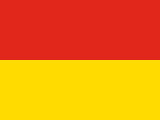
Lippe
state colours 4242 Designated as the official colours of Lippe. Not technically a national flag, but often used as one.

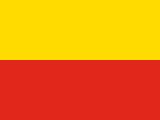
Baden 4343 Designed to be used as a diplomatic flag. Within the grand duchy, flags were made various configurations of red and yellow stripes.
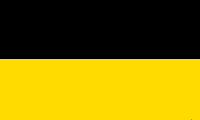
Liechtenstein
princely flag 4444 Flown by the prince, and unofficially as a national flag.
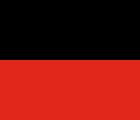
Lauenburg
state colours 4545 Based on the heraldic colours of Saxony. Not technically a national flag, but often used as one. The Danish flag also saw widespread use.
Württemberg
state colours 4646 Designated as the official colours of Württemberg. Not technically a national flag, but often used as one. Black and yellow flags were also in use around this time.
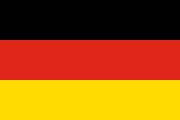
Waldeck-Pyrmont
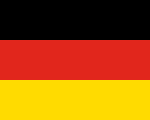
Reuss Elder Line
state colours 4747 Designated as the official colours of Reuss. Not technically a national flag, but often used as one.
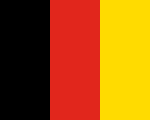
Reuss Junior Line
state colours 4848 Designated as the official colours of Reuss. Not technically a national flag, but often used as one.
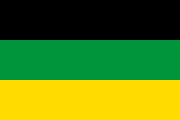
Saxe-Weimar-Eisenach
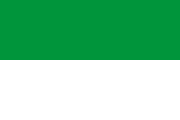
Saxon Duchies
state colours 4949 Designated as the official colours of the Ernestine duchies in Thuringia: Saxe-Altenburg, Saxe-Meiningen, and Saxe-Coburg-Gotha. Not technically a national flag, but often used as one.
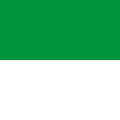
Anhalt
state colours 5050 Designated as the official colours of Anhalt-Bernburg and Anhalt-Dessau. Not technically a national flag, but often used as one.
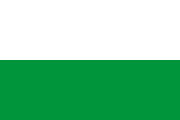
Saxony
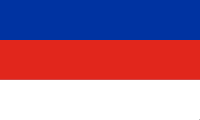
Schaumburg-Lippe
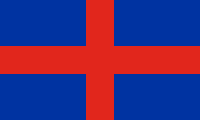
Oldenburg

Bavaria
state colours 5151 Designated as the official colours of Bavaria. Not technically a national flag, but often used as one. There are many reported variants from the period, some with more stripes, others with the diamond pattern from the Bavarian arms.

Schwarzburg-Rudolstadt
state colours 5252 Designated as the official colours of Schwarzburg. Not technically a national flag, but often used as one.

Schwarzburg-Sondershausen
state colours 5353 Designated as the official colours of Schwarzburg. Not technically a national flag, but often used as one.
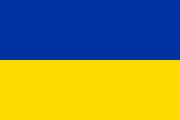
Brunswick
state colours 5454 Designated as the official colours of Brunswick. Not technically a national flag, but often used as one.
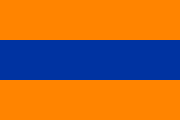
Nassau
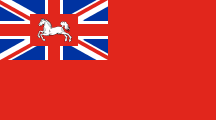
Hanover
merchant flag 5555 Flown by merchant ships.

Hanover
state colours 5656 Designated as the official colours of Hanover. Not technically a national flag, but often used as one.
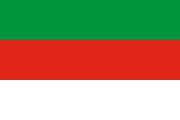
Heligoland
Eastern Europe

Russia
Imperial standard 5757 The flag of the Emperor, often regarded as the Russian national flag during the period.
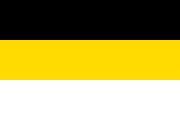
Russia
armorial flag 5858 Flown on government buildings, especially military buildings, and as patriotic decoration.

Russia
trade flag 5959 Flown by merchant ships.
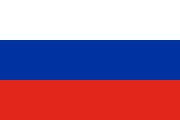
Carniola
national colours 6060 Designated as the official colours of the Austrian crown land of Carniola. Regarded as the unofficial national flag of Slovenia.
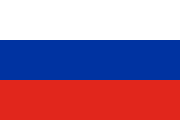
Slovakia 6161 Flown by advocates of Slovakian independence. The "Upper Hungary" region did not have an official flag.
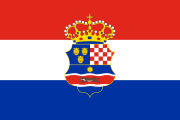
Croatia and Slavonia
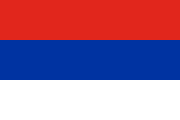
Serbia
national flag 6262 Allowed to be flown by anyone.
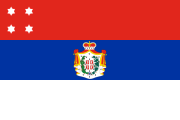
Serbia
state flag 6363 Flown the government and armed forces.
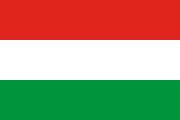
Hungary 6464 Prohibited within the Austrian Empire but still flown by Hungarian nationalists.
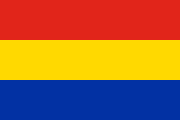
Romania
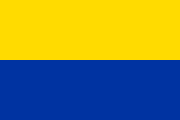
Ukraine 6565 Flown by Ukrainian nationalists. The order of colours wasn't fixed.
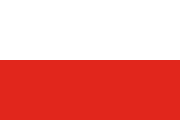
Bohemia
state colours 6666 Designated as the official colours of the Austrian crown land of Bohemia. Not an official flag, but informally regarded as a Czech national symbol. A white flag with the Bohemian coat of arms was also sometimes used.
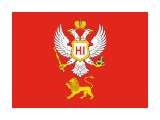
Montenegro
batallion flag 6767 Flown by the prince and the military.

Poland
banner 6868 The former royal banner of Poland, no longer official but still used as an informal national symbol.
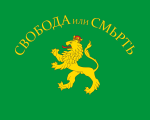
Bulgaria 6969 A typical flag flown by Bulgarian nationalists and revolutionaries in the pre-independence period. The flag would sometimes have different inscriptions or colours, but a golden lion on green was a common element. The slogan here reads "Freedom or Death!"
Circassia
South Asia and the Indian Ocean
Hyderabad

Jammu and Kashmir 7070 The maharaja's flag had yellow stripes at the top and bottom.

Nepal
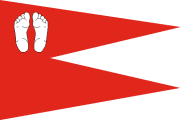
Jhabua 7171 The raja's flag was rectangular

Dewas
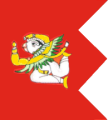
Kota
princely flag 7272 Flown by the Maharao and also used as a state flag. The flag was sometimes much longer.

Maldive Islands

Kishangarh

Sailana
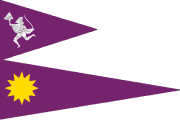
Ajaigarh 7373 The reverse side of the flag showed a moon and a flower.

Mewar 7474 Mewar had a number of reported princely banners which were also sometimes used as state flags. The most common one had a large yellow sun and a blue katar dagger.
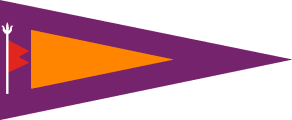
Porbandar
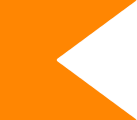
Kolhapur 7575 Kolhapur flew the Maratha saffron banner as a state flag. The maharaja had a diagonally-divided red and orange flag.

Dhar
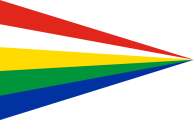
Jaipur
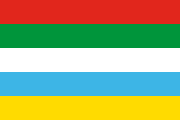
Alwar
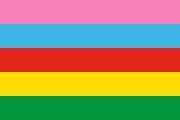
Idar
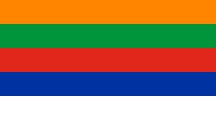
Sirohi
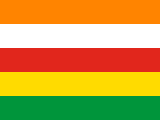
Jodhpur
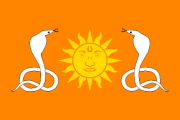
Gwalior
princely flag 7676 Flag of the maharaja, also used as a state flag. Plain saffron flags were also sometimes flown.
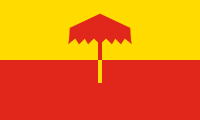
Jaisalmer
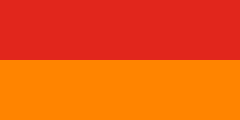
Bikaner

Banswara
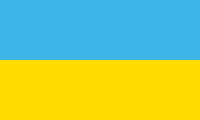
Dholpur

Rajpipla
princely flag 7777 Flown by the maharaja and often used as a state flag.

Rajpipla
national flag 7878 Allowed to be flown by civilians.
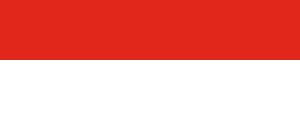
Indore 7979 Inland river boats flew a triangular pennant in the same colours.
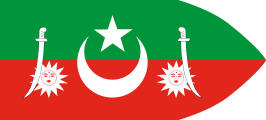
Kalat
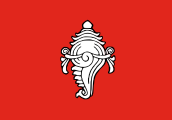
Travancore
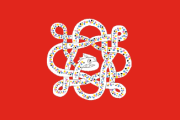
Manipur

Rajgarh
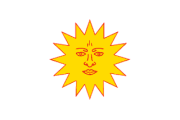
Sitamau 8080 The Raja's flag had a red sun

Bundi
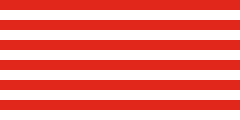
Alirajpur
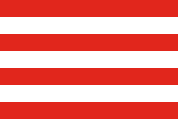
Khairpur
East and Southeast Asia

Japan

China 8181 Flown by naval ships.
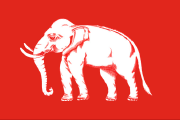
Siam
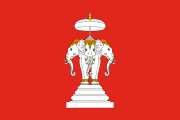
Luang Prabang
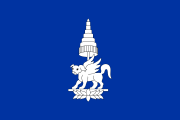
Champassak
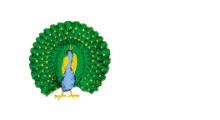
Burma

Kelantan · Perak · Terengganu 8282 Malay monarchs often flew plain white flags. These standards eventually evolved into individual state flags as more colours and symbols were added.

Jambi
sultan's flag 8383 Flown by the sultan and by naval ships.
Jambi
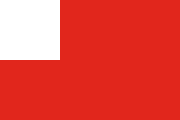
nobles' flag 8484 Flown by nobles at sea.

Jambi
merchant flag 8585 Flown by commoner merchants at sea.

Johor

Pahang
sultan's flag 8686 Flown by the sultan.

Brunei
sultan's flag 8787 Flown by the sultan and also used as an unofficial state flag.
Sarawak
Selangor
Kedah
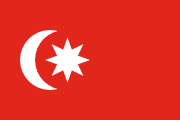
Aceh
national flag 8888 Flown by the government, particularly at sea, as a way of nominally invoking the protection of the Ottoman Empire.
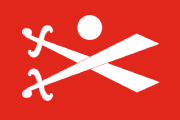
Aceh
sultan's flag 8989 Flown by the sultan and by warships. There are many other reported flags from the era, and it's not clear exactly how they were all used. Merchant ships often flew a plain red flag.

Asahan
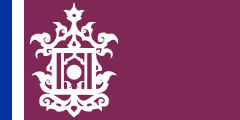
Sulu 9090 Reported flag from this era. It's exact use isn't known.
Events of 1862
BULGARIA • The Bulgarian Legion was founded in 1862. One of their flags was a green banner with a golden lion.
CHINA • After a diplomatic protest from Great Britain, China reluctantly adopted a national flag. The design was inspired by the flag of the Plain Yellow Banner, one of the traditional Eight Banners that all Manchu households were divided into. Statesman Zeng Guofan recommended the triangular shape to avoid confusion with that flag.
DELI • The sultanate of Deli submitted to Dutch rule on August 21.
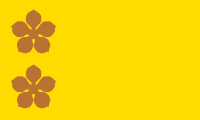


SAN MARINO • A coat of arms was added to the flag on 1862.

Notes
1 The former flag of the United Tribes of New Zealand, which remained in use as an unofficial symbol of the country. ↩
2 An unofficial local flag. The British colony of Newfoundland had no distinctive local symbols. Note that "Native" here means "born in the colony" and has nothing to do with the First Nations. ↩
3 Flown by the government, the navy, the national police, and national sports teams. Raised at major ceremonies. The army uses a similar flag with a different coat of arms. ↩
4 Allowed to be flown by anyone. ↩
5 The most common Costa Rican flag. Officially designated for private citizens, but in practice often used on government buildings and schools too. ↩
6 Flown by the government and by diplomatic missions, although also used sometimes by private citizens. ↩
7 Flown by Cuban nationalists and revolutionaries who sought independence from Spain. ↩
8 Flown by the Conservative government and its armed forces. ↩
9 The second flag of the Conservative government, allowed to be flown by anyone. ↩
10 Flown by the Federalist Provisional Government based in Coro. ↩
11 Flown by the government and armed forces. ↩
12 Allowed to be flown by anyone. ↩
13 Flown by ships operating out of the Spanish maritime province of Santo Domingo during the country's brief reconquest by Spain. ↩
14 The most commonly reported flag from the period. Flags with green, white and red stripes also seem to have been used. Probably flown exclusively on ships. The Turkish flag was the official national flag. ↩
15 Flown over the palace in Rabat and on ships. Military flags on land were often dectorated with a yellow or green octagram. ↩
16 Arab monarchies, especially those in and around the Gulf, flew plain red flags from their ships. These weren't quite "national flags" in the modern sense, but European powers tended to view them that way. ↩
17 Officially all of the Trucial States were supposed to fly a square red flag with a thick white border. In practice this flag became exclusively associated with the Al Qasimi dynasty. The other states mostly flew plain red flags. ↩
18 Flown by exclusively by the sultan as a symbol of religious authority. Not really a "national flag" as we'd understand it in modern terms. The sultan also gave white flags to his vassal emirs within the Caliphate. ↩
19 Flown by private citizens and merchant ships. The "Italian Social Republic", the Nazi puppet regime in the north, flew the plain tricolour as a national flag and had a war flag with an eagle gripping a fasces. The anti-fascist Italian partisans flew either plain tricolours or tricolours with a white or red star on the middle stripe. ↩
20 Flown by the government and navy. ↩
21 Flag of the federal army, treated as an unofficial national flag. ↩
22 Allowed to be flown by anyone. ↩
23 Flown by the royal house, the government, and the armed forces. Also granted to a select list of private institutions and companies. ↩
24 Allowed to be flown by anyone. The union mark in the top-left corner of the flag was flown on its own as a joint diplomatic flag for Sweden and Norway. ↩
25 Flown only on state-owned buildings and naval ships. ↩
26 Allowed to be flown by anyone. The union mark in the top-left corner of the flag was flown on its own as a joint diplomatic flag for Sweden and Norway. ↩
27 Flown on government buildings and by the military. ↩
28 Flown on land within Greece. The military flag had a crown in the centre of the cross. ↩
29 Flown at sea and abroad. The naval ensign had a crown in the centre of the cross. ↩
30 Flown unofficially, mostly by civilian ships. ↩
31 Flown by the monarchy and government. ↩
32 Flown by merchant ships. ↩
33 The traditional heraldic colours of Prussia, often used as a flag on land. ↩
34 The dynastic colours of the Hapsburg monarchy, often used as a flag on land. ↩
35 Flown by merchant and navy ships. ↩
36 Designated as the official colours of Hesse. Not technically a national flag, but often used as one. ↩
37 Designated as the official colours of Hesse. Not technically a national flag, but often used as one. ↩
38 Flown by the government. ↩
39 Flown by merchant ships. ↩
40 The number of stripes could vary but eight was the most common. ↩
41 Flown by the prince and used as a state flag. ↩
42 Designated as the official colours of Lippe. Not technically a national flag, but often used as one. ↩
43 Designed to be used as a diplomatic flag. Within the grand duchy, flags were made various configurations of red and yellow stripes. ↩
44 Flown by the prince, and unofficially as a national flag. ↩
45 Based on the heraldic colours of Saxony. Not technically a national flag, but often used as one. The Danish flag also saw widespread use. ↩
46 Designated as the official colours of Württemberg. Not technically a national flag, but often used as one. Black and yellow flags were also in use around this time. ↩
47 Designated as the official colours of Reuss. Not technically a national flag, but often used as one. ↩
48 Designated as the official colours of Reuss. Not technically a national flag, but often used as one. ↩
49 Designated as the official colours of the Ernestine duchies in Thuringia: Saxe-Altenburg, Saxe-Meiningen, and Saxe-Coburg-Gotha. Not technically a national flag, but often used as one. ↩
50 Designated as the official colours of Anhalt-Bernburg and Anhalt-Dessau. Not technically a national flag, but often used as one. ↩
51 Designated as the official colours of Bavaria. Not technically a national flag, but often used as one. There are many reported variants from the period, some with more stripes, others with the diamond pattern from the Bavarian arms. ↩
52 Designated as the official colours of Schwarzburg. Not technically a national flag, but often used as one. ↩
53 Designated as the official colours of Schwarzburg. Not technically a national flag, but often used as one. ↩
54 Designated as the official colours of Brunswick. Not technically a national flag, but often used as one. ↩
55 Flown by merchant ships. ↩
56 Designated as the official colours of Hanover. Not technically a national flag, but often used as one. ↩
57 The flag of the Emperor, often regarded as the Russian national flag during the period. ↩
58 Flown on government buildings, especially military buildings, and as patriotic decoration. ↩
59 Flown by merchant ships. ↩
60 Designated as the official colours of the Austrian crown land of Carniola. Regarded as the unofficial national flag of Slovenia. ↩
61 Flown by advocates of Slovakian independence. The "Upper Hungary" region did not have an official flag. ↩
62 Allowed to be flown by anyone. ↩
63 Flown the government and armed forces. ↩
64 Prohibited within the Austrian Empire but still flown by Hungarian nationalists. ↩
65 Flown by Ukrainian nationalists. The order of colours wasn't fixed. ↩
66 Designated as the official colours of the Austrian crown land of Bohemia. Not an official flag, but informally regarded as a Czech national symbol. A white flag with the Bohemian coat of arms was also sometimes used. ↩
67 Flown by the prince and the military. ↩
68 The former royal banner of Poland, no longer official but still used as an informal national symbol. ↩
69 A typical flag flown by Bulgarian nationalists and revolutionaries in the pre-independence period. The flag would sometimes have different inscriptions or colours, but a golden lion on green was a common element. The slogan here reads "Freedom or Death!" ↩
70 The maharaja's flag had yellow stripes at the top and bottom. ↩
71 The raja's flag was rectangular ↩
72 Flown by the Maharao and also used as a state flag. The flag was sometimes much longer. ↩
73 The reverse side of the flag showed a moon and a flower. ↩
74 Mewar had a number of reported princely banners which were also sometimes used as state flags. The most common one had a large yellow sun and a blue katar dagger. ↩
75 Kolhapur flew the Maratha saffron banner as a state flag. The maharaja had a diagonally-divided red and orange flag. ↩
76 Flag of the maharaja, also used as a state flag. Plain saffron flags were also sometimes flown. ↩
77 Flown by the maharaja and often used as a state flag. ↩
78 Allowed to be flown by civilians. ↩
79 Inland river boats flew a triangular pennant in the same colours. ↩
80 The Raja's flag had a red sun ↩
81 Flown by naval ships. ↩
82 Malay monarchs often flew plain white flags. These standards eventually evolved into individual state flags as more colours and symbols were added. ↩
83 Flown by the sultan and by naval ships. ↩
84 Flown by nobles at sea. ↩
85 Flown by commoner merchants at sea. ↩
86 Flown by the sultan. ↩
87 Flown by the sultan and also used as an unofficial state flag. ↩
88 Flown by the government, particularly at sea, as a way of nominally invoking the protection of the Ottoman Empire. ↩
89 Flown by the sultan and by warships. There are many other reported flags from the era, and it's not clear exactly how they were all used. Merchant ships often flew a plain red flag. ↩
90 Reported flag from this era. It's exact use isn't known. ↩